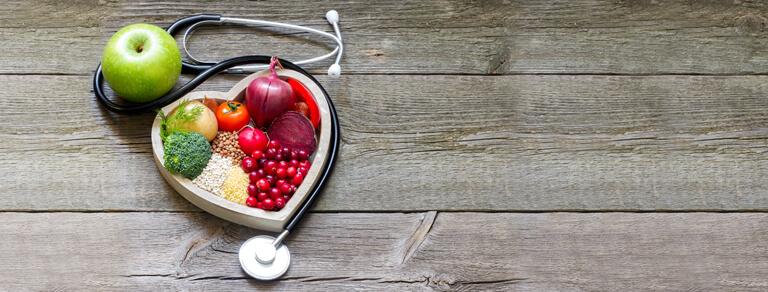
February is here, and love is in the air! Valentine’s Day is designed to show appreciation and gratitude towards our loved ones. While it is important to share love with others, it is equally important to remember to share that love with yourself and your heart! Heart health is essential for this month and the rest of the year.
- Incorporate Healthy Fats into Your Diet
Foods rich in unsaturated fats reduce LDL “bad” cholesterol levels and improve overall heart health. There are only two types of unsaturated fats – monounsaturated and polyunsaturated. Examples of monounsaturated fats are canola oil, peanut oil, avocado oil, and olive oil. Use these oils for sautéing, lightly pan frying, as a dip for bread, dressing for a salad, or as the base of marinades for heart-healthy proteins like chicken, fish, and tofu. Monounsaturated fats can also be found in potassium-rich foods like avocados, nuts, and seeds. Refer to your dietitian for guidance on including these foods in your diet. Omega-3 fatty acids, shown to lower the risk of heart disease, are found in foods rich in polyunsaturated fats like salmon, tuna, flaxseeds, and fish oil supplements. When choosing to buy a fish oil supplement, make sure it includes DHA and EPA omega-3 fatty acids – these two compounds have been shown to decrease inflammation and even reduce your risk of heart disease. Please refer to your physician before starting a supplement.
- Decrease Your Intake of Saturated and Trans-Fats
Diets that are high in saturated and trans-fats have been shown to increase LDL “bad” cholesterol and reduce HDL “good” cholesterol, which can increase your risk of heart disease and stroke. There is some debate around the nutritional value of saturated fats, but overall, research shows that limiting our intake of saturated fat is best. Foods high in saturated fat include butter, red meat, whole milk, cheese, ice cream, and tropical oils like coconut and palm. Trans-fats are a different story and should be consumed minimally. Foods high in trans fat include margarine, fried foods, vegetable shortening, highly processed foods, and baked goods. When grocery shopping, read food labels and avoid “partially hydrogenated oils.” Choose these foods less often and replace them with foods high in unsaturated fats.
- Include More Fiber in Your Diet
We all know fiber is essential for our gut health and helps to keep our bowel movement regular, but did you know it can also be good for your heart? Including more fiber in your diet helps remove the bad cholesterol and can help lower the risk of heart disease! Kidney-friendly fiber foods include raspberries, blueberries, apples, peaches, asparagus, corn, cabbage, broccoli, Brussels sprouts, carrots, and tangerines. Remember that high-fiber foods can be high in potassium and phosphorus. Ask your renal dietitian about high-fiber foods you can include in your renal diet.
- Control Fluid and Salt Intake
As always, limiting salt and fluid intake is extremely important, as consuming too much can cause your body to hold onto extra fluid, leading to shortness of breath. When you are short of breath for a prolonged period, it makes your heart work harder than it should. Fluid limits are individualized and determined by swelling, weight gain between treatments, and if you can still urinate. When grocery shopping, read food labels and avoid consuming over 2,000 mg of sodium daily.
- Reduce Stressors and Take Time to Love Yourself
Yes, stress can decrease your overall heart health! It’s important to note that experiencing continuous feelings of anger, sadness, or anxiety can have negative impacts on your overall health, both physically and mentally. Additionally, it can lead to undue stress on your heart. Talk to your social worker about ways to cope with stress and resources that can help reduce your life’s stressors. It is important to remember always to love yourself and put yourself and your health first!